


If you’ve ever finished an anime season thinking “Wait, that can’t be the end,” chances are the story may continues in a light novel. But what is a light novel exactly, and why do so many of your favorite anime come from them?
Light novels are one of the most important storytelling formats in modern anime culture, serving as source material for massive franchises. Yet many fans aren’t sure what they are, how they work, or where to start reading.
This guide breaks down everything you need to know—no publishing jargon, just straight talk for anime lovers.
What Is a Light Novel?

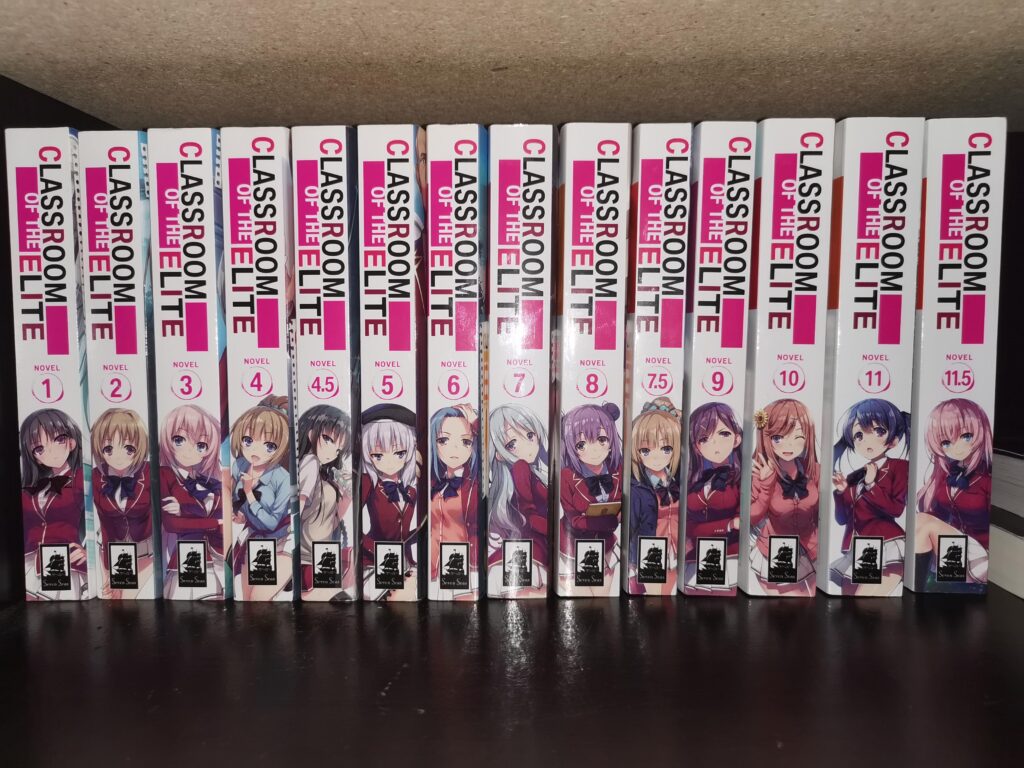
So, what is a light novel? At its core, a light novel is a short prose novel from Japan, typically written for teens and young adults, serialized across multiple volumes, and illustrated with manga-style artwork.
Think of light novels as the bridge between manga and traditional novels – more text than manga, but with more visual flair and “anime energy” than typical Western books.
Key Characteristics of Light Novels
Length: Each volume typically contains 40,000–60,000 words, making them shorter and easier to binge than most Western fantasy novels.
Illustrations: Every volume includes several black-and-white illustrations plus a full-color cover. They’re novels with bonus art, not full manga.
Target Audience: Primarily teens and young adults (similar to YA fiction), though many series appeal to older readers with mature themes.
Serialization: Stories unfold across multiple volumes. Popular series often reach 10, 20, or even 30+ volumes.
Genres: Fantasy, isekai, school romance, psychological thriller, sci-fi, slice-of-life, and countless sub-genres fill the light novel space..
Light Novels vs. Manga: What’s the Difference?
While light novels and manga often share fandoms and even the same intellectual properties, the reading experience differs significantly.
What is a Manga?
Manga focuses on:
- Visual storytelling through panels
- Heavy use of art, expressions, and composition
- Story conveyed primarily through images plus dialogue
What is a Light Novel?
Light novels focus on:
- Prose storytelling organized in chapters
- Art that highlights key scenes and characters
- Inner monologue, worldbuilding, and details that manga can’t fit
If manga is like watching storyboards for an anime, light novels are like reading the director’s cut script—complete with all the thoughts, context, and side details that never make it into 22-minute episodes.
Why Do So Many Anime Adaptations Come from Light Novels?
Light novels have become a dominant source for anime adaptations for several compelling reasons:
Concept-First Storytelling
Light novels embrace bold, marketable hooks that translate perfectly to anime premises:
- “Guy gets reincarnated as a vending machine”
- “Villainess tries to avoid her death flags in an otome game”
These high-concept ideas grab attention immediately and build instant curiosity.
Flexible Worldbuilding
Because light novels are text-driven, authors can construct complex worlds and magic systems without the constraints of weekly art deadlines. Anime studios can then translate those details into visuals once a series proves popular.
Built-In Audience
By the time a light novel receives an anime adaptation, it usually has multiple volumes published, a manga adaptation, active fan communities, and established popularity. This reduces financial risk for anime studios.
For fans, this means one thing: if you loved a light novel anime adaptation but felt something was missing, the original novel likely contains the complete, uncut version of that story.
Typical light novel structure
While every series differs, most light novels follow a recognizable pattern:
Volume 1 establishes the hook, world, and main cast.
Volumes 2–4 develop core early arcs—often where anime seasons conclude.
Mid-series volumes explore deeper relationships, introduce new factions, and raise stakes.
Late volumes and finales deliver payoff for long-running plot threads, character conclusions, and epilogues.
Anime typically adapts 3–5 volumes per season (12–13 episodes), sometimes more aggressively. That’s why light novel readers frequently warn: “The adaptation cut a lot.”
How to start reading light novels (without getting overwhelmed)
If you’re curious about and have asked the question “what are light novels,” but unsure where to begin, here’s a straightforward approach:
1. Start with a Series You Already Know from Anime
This is the easiest entry point. Pick an anime you loved and continue where it stopped, or restart from volume 1 to experience the full story with all the details the anime couldn’t include.
2. Look for Officially Licensed Translations
Publishers like Yen Press, J-Novel Club, Seven Seas, and others release English light novels in both digital and print formats. Buying official releases supports creators and ensures series continue.
3. Consider Digital Editions
Light novels are extremely bingeable. If you’re likely to consume 10 volumes in a weekend, digital editions on Kindle, Kobo, or publisher platforms save money and shelf space.
4. Remember: Art Is a Bonus, Not the Main Course
You’ll enjoy gorgeous character illustrations, but most of your reading time is spent in text. If you expect manga-level art density, you’ll be disappointed.
What Kind of Reader Are Light Novels Perfect For?
Light novels are ideal if you:
- Love anime and manga but crave more depth and detail
- Prefer fast pacing and strong hooks over slow, literary builds
- Enjoy series where characters develop across many volumes
- Don’t mind straightforward, functional prose rather than flowery literary writing
They may not fit if you dislike serialization, hate cliffhangers, or prefer strictly standalone stories.refer strictly stand-alone stories.
Why Light Novels Matter in Anime Culture
Light novels sit at the heart of modern anime storytelling. They’re where wild ideas are born, tested, and refined before ever reaching your screen. Many of the most innovative anime concepts started as light novel manuscripts that took creative risks traditional publishers wouldn’t touch.
If you’ve only known light novels as “the thing the anime was based on,” consider picking up a volume. Make some tea, settle in, and discover how much story you’ve been missing.
Your next obsession might not be a seasonal anime at all – it could be a series of books waiting on the shelf.
New to light novels? Check out our guide to the 10 best light novels for beginners to find your perfect starting point.
Not Sure What to Read Next?
Get the free Light Novel Starter Guide and discover exactly what to read first, where to continue after the anime, and how to avoid wasting money on the wrong volumes.

13 Responses