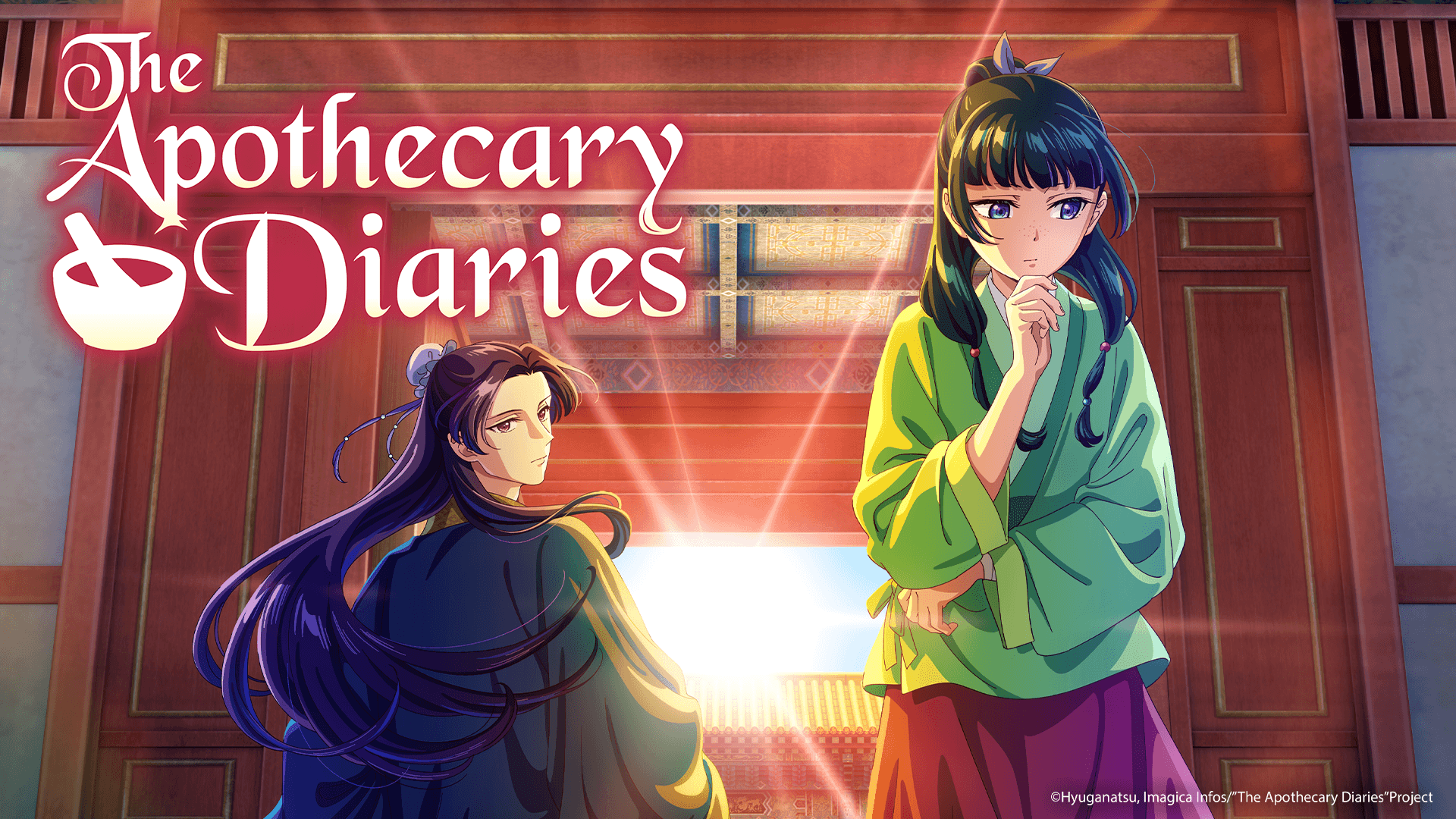

In a light novel landscape dominated by isekai adventures and power fantasies, The Apothecary Diaries light novel emerges as a refreshing anomaly. Written by Natsu Hyuuga and illustrated by Touko Shino, this historical mystery light novel has captivated audiences worldwide, spawning multiple manga adaptations and a critically acclaimed anime series. But does Volume 1 of the original light novel live up to the hype? Absolutely—and here’s why this debut volume belongs on every mystery fan’s reading list.
Check out why light novel sales hit record high’s in 2024!
A Historical Setting That Breathes Life
Set in a richly detailed fictional realm inspired by Imperial China during the Tang dynasty, The Apothecary Diaries light novel transports readers to the opulent yet treacherous world of the imperial palace’s Inner Court. The rear palace, known as the hougong, serves as both a gilded cage and a powder keg of political intrigue where the emperor’s consorts, servants, and officials navigate dangerous waters daily.
Hyuuga’s meticulous attention to historical detail creates an immersive atmosphere that feels authentic without overwhelming readers with exposition. The hierarchical structure of palace life, the cultural customs, and the medical practices of the era are woven seamlessly into the narrative. From the intricate hairstyles and flowing robes to the use of lead-based cosmetics and herbal remedies, every element contributes to a setting that feels lived-in and credible.
For fans seeking the best historical light novels, The Apothecary Diaries stands out by balancing educational authenticity with compelling storytelling. The setting isn’t merely window dressing—it’s integral to the mysteries Maomao must solve and the dangers she must navigate.
Meet Maomao: An Unconventional Heroine
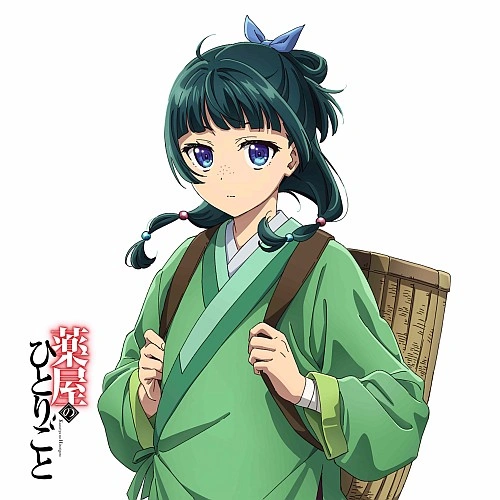
At the heart of this series is Maomao, one of the most distinctive protagonists in recent light novel history. A seventeen-year-old apothecary raised in the red-light district, Maomao possesses extensive knowledge of herbs, poisons, and medical treatments—skills she acquired from her adoptive father, Luomen, a brilliant physician.
Maomao’s characterization defies typical light novel heroine conventions. She’s pragmatic to a fault, emotionally guarded, and possesses a deadpan wit that makes her internal monologue consistently entertaining. Her curiosity about medicine and toxicology borders on obsession; she’s been known to experiment on herself to test various poisons, displaying both scientific dedication and questionable self-preservation instincts.
What makes Maomao truly compelling is her complexity. She deliberately makes herself appear plain to avoid unwanted attention, freckles her face with makeup, and adopts a subservient demeanor to survive palace life. Yet beneath this carefully constructed façade lies a brilliant mind that can’t resist solving puzzles. Her cat-like curiosity (her name literally derives from the Chinese word for cat) constantly gets her into situations she’d rather avoid—a trait that drives much of the plot forward.
Maomao’s background adds fascinating depth to her character. Raised in a brothel by adoptive relatives after her courtesan mother rejected her, Maomao developed a practical understanding of human nature’s darker aspects while maintaining surprising empathy for others’ circumstances. This duality—worldly cynicism combined with genuine compassion—makes her feel remarkably authentic.
The Mystery Elements: Deduction Over Destiny
The Apothecary Diaries light novel excels as a mystery novel by respecting reader intelligence. The central mystery of Volume 1 revolves around the suspicious deaths of the emperor’s infant heirs. Multiple consorts have lost children to a mysterious “curse,” creating tension and superstition throughout the Inner Court.
Enter Maomao, who immediately recognizes the symptoms as poisoning rather than supernatural affliction. Her methodical investigation reveals the culprit to be lead-based face powder—a cosmetic commonly used by high-ranking women to achieve fashionably pale complexions. The powder, when absorbed through skin or transferred to nursing infants, causes slow, agonizing death.
What elevates this mystery beyond simple problem-solving is Hyuuga’s exploration of why this tragedy occurred. The face powder represents the intersection of beauty standards, class status, and ignorance about toxic substances. Maomao’s solution doesn’t just save lives—it challenges deeply ingrained cultural practices and forces palace residents to confront uncomfortable truths about vanity’s cost.
Volume 1 presents several interconnected mysteries beyond the lead powder incident. Each case showcases different aspects of Maomao’s expertise while revealing more about palace politics and human nature. Unlike action-oriented light novels where protagonists rely on supernatural abilities or combat prowess, Maomao succeeds through observation, deductive reasoning, and practical knowledge. There’s no plot armor, no convenient power-ups—just a smart young woman using her education and wits to navigate dangerous situations.
This approach places The Apothecary Diaries among the best mystery light novels available in English translation. Readers who enjoy puzzle-solving and gradual revelation will find the pacing satisfying, as Hyuuga provides enough clues for attentive readers to piece together answers alongside Maomao.
Jinshi: The Enigmatic Foil
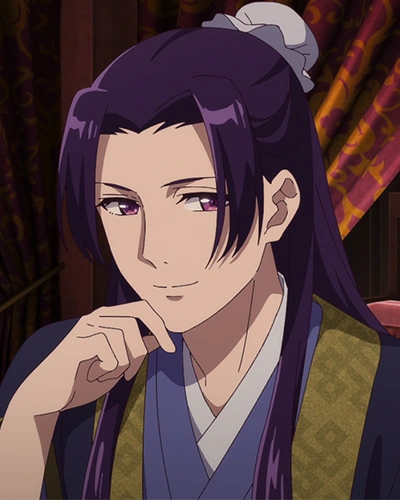
No discussion of Volume 1 would be complete without addressing Jinshi, the seemingly perfect head eunuch who serves as Maomao’s primary contact with palace authority. Described as devastatingly handsome with an almost supernatural charisma, Jinshi is accustomed to women falling over themselves for his attention.
Maomao’s complete immunity to his charms both frustrates and fascinates him. In her estimation, Jinshi is merely an inconvenient superior who complicates her desire to serve out her contract quietly and return home. Her tendency to regard him with the enthusiasm one might reserve for observing a particularly uninteresting insect is a source of both humor and plot development.
The light novel format allows readers insight into Jinshi’s perspective—something less prominent in the manga adaptation. These glimpses reveal there’s far more to Jinshi than his pretty-boy exterior suggests. His keen perception matches Maomao’s, and he possesses political acumen that hints at a background more complex than a simple eunuch position would suggest. The volume drops tantalizing hints about his true identity while maintaining enough mystery to keep readers guessing.
The dynamic between Maomao and Jinshi crackles with possibility without devolving into typical romantic comedy tropes. Their relationship is built on mutual respect for each other’s intelligence, with Jinshi recognizing Maomao’s unique talents and Maomao grudgingly acknowledging that Jinshi uses his authority more judiciously than most. It’s a slow-burn connection that promises to develop in fascinating directions as the series progresses.
Writing Style and Translation Quality
Natsu Hyuuga’s prose strikes an ideal balance between accessibility and sophistication. The writing never condescends to readers, trusting them to follow complex medical explanations and political maneuvering without excessive hand-holding. Maomao’s internal monologue provides much of the novel’s charm, her dry observations about palace life and human foolishness offering consistent entertainment.
The J-Novel Club translation (later used by Square Enix for print editions) captures Maomao’s distinctive voice effectively. Technical terminology related to medicine and palace hierarchy is handled well, with enough context provided for Western readers to understand without feeling lectured. The prose flows naturally, avoiding the stilted quality that sometimes plagues light novel translations.
At over 250 pages, Volume 1 provides substantial content that never feels padded. Each scene serves a purpose, whether advancing the mystery, developing characters, or building the world. The pacing balances quieter character moments with tense investigative sequences, creating a rhythm that keeps pages turning.
Themes and Depth
Beneath its mystery-solving surface, The Apothecary Diaries explores substantial themes that add resonance to the narrative. The series examines how systemic inequality shapes individual lives—Maomao’s background in the pleasure district grants her perspective on how society treats those with low status. Her pragmatic acceptance of harsh realities coexists with quiet determination to help where she can, creating a protagonist who embodies both resignation and resistance.
Gender dynamics receive nuanced treatment throughout Volume 1. The rear palace is a distinctly feminine space where women compete for imperial favor while forming complex alliances. Maomao navigates this environment by deliberately making herself “unremarkable”—a survival strategy that comments on how women must manage their appearance and behavior to avoid becoming targets.
The tension between knowledge and ignorance drives much of the plot. Maomao possesses information that could prevent suffering, but palace hierarchy and her lowly status complicate sharing that knowledge. The face powder tragedy illustrates how dangerous misinformation becomes when combined with rigid class structures that prevent life-saving information from flowing freely.
Why The Apothecary Diaries Light Novel Became a Bestseller
The Apothecary Diaries’ light novel’s explosive success in 2024—with 1.35 million copies sold and overall circulation exceeding 38 million—stems from several factors working in perfect harmony.
First, the series offers something genuinely different from standard light novel fare. While isekai and action fantasy dominate the market, The Apothecary Diaries provides thoughtful mystery-solving in a richly realized historical setting. This distinctiveness attracted readers seeking alternatives to well-worn genre conventions.
Second, Maomao herself resonates powerfully with audiences. She’s neither a damsel requiring rescue nor an overpowered protagonist who trivializes challenges. She’s smart, practical, emotionally complex, and refreshingly normal in her desires—she wants to practice her craft, avoid unnecessary trouble, and eventually return to the life she knew. This relatability combined with her exceptional competence creates an appealing protagonist readers want to follow.
Third, the multimedia synergy between light novel, manga, and anime created a virtuous cycle. The 2023 anime adaptation introduced millions to the story, driving them to source material. The anime’s stunning production values and faithful adaptation demonstrated the story’s broad appeal, while readers discovering the light novels found additional depth and detail absent from adaptations.
Finally, the series’ accessibility makes it an ideal entry point for newcomers to light novels. The historical setting and mystery focus feel familiar to readers of Western historical fiction and detective novels, while the Japanese cultural elements add exotic appeal without creating insurmountable barriers to understanding.
Comparing Formats: Light Novel vs. Manga vs. Anime
Readers familiar with The Apothecary Diaries through manga or anime might wonder whether the light novel offers enough distinction to warrant reading. The answer is a resounding yes.
The light novel provides the most complete and detailed version of the story. Hyuuga’s prose delves deeply into Maomao’s thought processes, offering insights into her reasoning and emotional responses that visual media can only hint at. The expanded perspective on Jinshi’s viewpoint adds dimensions to his character that manga and anime must convey through visual cues and limited dialogue.
The manga adaptations (there are two—one by Itsuki Nanao and another by Nekokurage) excel at visual storytelling, bringing palace life and character designs to vibrant life. The anime combines both strengths with gorgeous animation and excellent voice acting. However, both condense content and streamline narratives for pacing, meaning certain details, character moments, and subplots receive less attention.
For the complete Apothecary Diaries experience, the light novel represents the definitive version. That said, each format has merits, and enjoying multiple versions only enhances appreciation for the story’s strengths.
Minor Criticisms
While Volume 1 excels in most areas, a few minor shortcomings deserve mention. Some readers might find the initial setup slightly slow as Hyuuga establishes the setting and introduces the cast. The novel also ends at a natural stopping point that nevertheless leaves readers wanting more—not a flaw per se, but worth noting for those preferring more self-contained stories.
Maomao’s character, while compelling, can occasionally feel implausibly knowledgeable for her age and background. Her extensive expertise in medicine, poisons, and various other subjects sometimes stretches credibility, though this becomes easier to accept given her family background and established obsessive dedication to learning about pharmacology.
The Verdict: Essential Reading for Mystery Fans
The Apothecary Diaries Light Novel Volume 1 delivers everything a light novel debut should: memorable characters, engaging mysteries, atmospheric world-building, and writing that respects reader intelligence. It stands as one of the best mystery light novels available in English and ranks among the finest historical light novels for its authentic period detail and cultural texture.
Maomao’s journey from kidnapped commoner to indispensable palace problem-solver provides the foundation for what promises to be an enduring series. Her distinctive personality, combined with the rich setting and clever plotting, creates something genuinely special in a crowded market.
Whether you discovered The Apothecary Diaries through its award-winning anime, gorgeous manga adaptations, or are completely new to the franchise, Volume 1 of the light novel offers the most complete and satisfying way to experience this remarkable story. It’s mystery fiction that trusts its audience, historical fiction that brings an era to vivid life, and character-driven storytelling that recognizes intelligence and determination as the most compelling superpowers any protagonist can possess.
Rating: 9/10
Recommended for: Readers seeking smart mystery-solving protagonists, historical fiction enthusiasts, fans of political intrigue, anyone tired of generic isekai plots, and anyone who appreciates well-crafted light novels that prioritize character and plot over power fantasy.
Not recommended for: Readers seeking fast-paced action, those preferring romance-focused narratives (though romantic elements develop later), or anyone uninterested in medical/historical details.
The Apothecary Diaries Volume 1 is available in English from Square Enix Books in print and J-Novel Club digitally. Stay tuned to Plotaku for more light novel reviews, industry news, and coverage of the best mystery light novels hitting Western markets.